Die Antwoord Net Worth: How the Rap Duo Built Their Fortune
May 5, 2026
Published: May 14, 2026 | Updated for 2026 financial data
Die Antwoord’s Net Worth in 2026
Die Antwoord, the South African rap-rave duo consisting of Watkin Tudor Jones (Ninja) and Anri du Toit (Yolandi Visser), has an estimated combined net worth of $10 million to $14 million in 2026. That figure, accumulated over roughly 15 years of activity, reflects a career arc that went from underground art project to global viral phenomenon to a duo grappling with serious allegations that effectively ended their mainstream commercial viability. Their financial story is one of explosive early earnings followed by a gradual decline — a pattern common among internet-bred acts that struggle to evolve beyond the aesthetic that made them famous.
The duo’s net worth is split between the two members, with Ninja likely holding a slightly larger share due to his role as the group’s primary creative director and his longer history in the music industry prior to Die Antwoord’s formation. Their wealth comes from multiple revenue streams: touring revenue (their largest income source), music sales and streaming royalties, YouTube ad revenue, merchandise sales, film earnings, and licensing deals. However, the total is tempered by significant expenses including legal fees from multiple lawsuits, management commissions, and the cost of their elaborate music video productions.
How Die Antwoord Built Their Musical Empire
Die Antwoord emerged from Cape Town’s underground art scene in 2008. Their name translates to “The Answer” in Afrikaans, and they quickly became one of the most recognizable acts to come out of South Africa’s Zef counter-culture movement. The group’s visual aesthetic, characterized by crude tattoos, day-glo outfits, and an aggressively DIY approach to music videos, set them apart from every other act in the global music landscape at the time.
Before Die Antwoord, Ninja had spent over a decade in the South African hip-hop scene. He fronted groups like MaxNormal.TV and The Constructus Corporation, releasing albums that barely sold a thousand copies. Yolandi, born in Port Alfred in 1984, was working as a visual artist and designer when she joined Ninja’s creative circle around 2004. Their collaboration started as an art project more than a music career, which explains their deeply theatrical approach to every release.
The Breakthrough: $5 and Enter the Ninja
Everything changed in January 2010 when Die Antwoord uploaded their music video for “Enter the Ninja” to the internet. The video, shot on a minimal budget, featured the duo in their signature Zef style alongside DJ Hi-Tek and Leon Botha, a painter with progeria who became an iconic visual element of their identity. Within days, the video went viral, accumulating millions of views and catching the attention of major labels. By February 2010, they had signed with Interscope Records, reportedly securing an advance in the range of $500,000 to $1 million.
Their debut album under Interscope, $O$ (originally released independently in 2009), was re-released in 2010 and peaked at number 109 on the Billboard 200. While that chart position may seem modest, the real revenue came from touring and merchandise. Die Antwoord was selling out venues across Europe and North America, commanding fees estimated between $50,000 and $100,000 per show by 2011. Their Coachella performance that year cemented them as a must-see live act on the festival circuit.
Label Disputes and Independent Success
The relationship with Interscope deteriorated quickly. The label wanted Die Antwoord to write more commercial material, which clashed with the duo’s artistic vision. In 2011, they parted ways with Interscope and founded their own label, Zef Recordz. This move proved financially smart. By controlling their own masters and distribution, they retained a much larger share of revenue from both streaming and physical sales.
Their second album, Tension, dropped in 2012 and debuted at number 20 on the Billboard 200, selling approximately 25,000 copies in its first week. This was a significant improvement over their debut and proved they could succeed without major label backing. The album featured the track “Baby’s on Fire,” which accumulated over 45 million views on YouTube, becoming their most-streamed video at the time.
Donker Mag arrived in 2014, reaching number 18 on the Billboard 200 and number 2 on the US Dance/Electronic chart. First-week sales exceeded 28,000 units. By this point, Die Antwoord was headlining festivals worldwide, including Reading, Leeds, and Splendour in the Grass, with per-show guarantees reportedly climbing to $150,000.
Revenue Streams Beyond Music
Die Antwoord’s income extends well beyond album sales and touring. Their YouTube channel, which has amassed over 540 million total views across all videos, generates estimated annual ad revenue of $150,000 to $300,000 based on typical CPM rates for music content. The “Ugly Boy” music video alone has over 100 million views since its release in 2014.
Merchandise has been another significant revenue driver. Their Zef-branded clothing, featuring their distinctive artwork and logos, sells through their website and at concerts. Industry estimates place merchandise revenue for acts of their scale at $500,000 to $1 million annually during peak touring years. The duo also earned income from licensing their music for films, television shows, and video games, with tracks appearing in productions like Chappie (2015), which Ninja and Yolandi also starred in alongside Hugh Jackman and Sigourney Weaver.
The Chappie Film Deal
Speaking of Chappie, the Neill Blomkamp-directed science fiction film represented Die Antwoord’s most significant foray into mainstream cinema. Released in March 2015, the film had a production budget of approximately $49 million. Ninja and Yolandi played fictionalized versions of themselves, and while their salaries for the film were never publicly disclosed, comparable supporting roles in studio films of that budget typically command $200,000 to $500,000 per actor. The film earned $102 million worldwide, though it received mixed reviews from critics.
Blomkamp, a South African native himself, had been a long-time fan of Die Antwoord and wrote the roles specifically for them. The film also featured their music prominently, which served as a promotional vehicle for their catalog. Following the film’s release, their streaming numbers saw a measurable bump across platforms.
Mounting Allegations and Their Financial Impact
Die Antwoord’s financial trajectory has not been without setbacks. In 2019, filmmaker Dionne C. Neff accused the duo of alleged misconduct, and additional allegations surfaced in 2022 from musician Zheani Sparks, who filed a lawsuit claiming assault and other abuses. While Die Antwoord denied the allegations and the legal proceedings were complex, the controversy led to several festival cancellations across Europe and Australia. Each cancelled appearance represented a loss of $75,000 to $150,000 in performance fees, and the reputational damage likely affected their ability to secure future bookings at the same rate.
In 2022, the duo announced they would be disbanding after their then-current tour, though they have since released sporadic content. Their final studio album, House of Zef, arrived in 2020 with limited promotional support, failing to chart on the Billboard 200 entirely. This marked a sharp decline from their commercial peak just six years earlier.
Estimated Net Worth Components in 2026
Breaking down the duo’s combined net worth requires examining multiple revenue streams accumulated over roughly 15 years of activity. Touring revenue forms the largest component, with career earnings estimated between $12 million and $18 million from live performances. Album sales and streaming royalties contribute an estimated $3 million to $5 million, while YouTube ad revenue over the lifetime of their channel adds approximately $2 million. Merchandise sales, film earnings from Chappie, and licensing deals account for another $3 million to $5 million combined.
Against these earnings, the duo has faced significant expenses: legal fees from multiple lawsuits (estimated at $500,000 to $1 million), management commissions of 15 to 20 percent on gross earnings, production costs for their elaborate music videos, and taxes in both South Africa and the United States. After accounting for these deductions, their combined net worth in 2026 is estimated at approximately $10 million to $14 million, split between the two members.
Streaming Revenue and Digital Presence
Die Antwoord’s streaming numbers tell an interesting story about their enduring appeal despite limited new output. On Spotify, their monthly listener count hovers around 3.5 million as of early 2026, with “Enter the Ninja” and “I Fink U Freeky” each having surpassed 100 million streams on the platform. At typical Spotify royalty rates of $0.003 to $0.005 per stream, their Spotify catalog alone generates approximately $50,000 to $80,000 per year in passive income. Apple Music, Amazon Music, and other platforms add roughly another 40 percent on top of that figure, bringing total annual streaming royalties to approximately $70,000 to $112,000.
Their decision to retain ownership of their masters after leaving Interscope means they receive a significantly larger share of these streaming revenues than artists who remain on major labels. A typical major label artist might receive 15 to 25 percent of streaming revenue, while Die Antwoord, as independent artists on their own label, likely retain 60 to 80 percent after distribution fees. Over the course of their career, this difference has been worth millions in additional income that would otherwise have gone to a label.
The Zef Legacy and Cultural Impact
Die Antwoord’s cultural impact extends beyond their financial earnings in ways that are difficult to quantify but impossible to ignore. They brought South African counterculture to global attention in a way that no previous act had accomplished. The Zef movement — a DIY aesthetic that celebrates working-class South African identity through garish fashion, crude humor, and unapologetic brashness — became internationally recognizable largely because of Die Antwoord’s viral success. This cultural influence has generated indirect financial benefits, including collaborations with fashion brands that sought to capture the Zef aesthetic and influence on subsequent artists who adopted elements of their visual and sonic style.
The duo’s influence on internet-era music marketing is also significant. They were among the first acts to demonstrate that YouTube virality could be converted into a sustainable touring career, a model that has since been replicated by countless artists. Their self-directed music videos, produced on minimal budgets but with maximum visual impact, created a template for low-cost, high-engagement content that remains the standard for independent artists seeking to break through without major label support. The financial value of this influence is impossible to calculate precisely, but it has indirectly generated billions of dollars in economic activity across the music industry by proving the commercial viability of internet-first artist development.
Individual Member Net Worth Breakdown
While Die Antwoord’s combined net worth is estimated at $10 million to $14 million, the individual breakdown between Ninja and Yolandi Visser is not publicly documented. Industry practice suggests that duo acts typically split revenue roughly equally, but several factors may create disparities in this case. Ninja, born Watkin Tudor Jones in Johannesburg in 1974, was the creative architect of the project and likely negotiated a larger share of publishing and songwriting revenue, which typically accounts for 15 to 25 percent of total music industry earnings. His pre-Die Antwoord career, while commercially unsuccessful, gave him industry experience and connections that Yolandi lacked when they formed the group.
Yolandi Visser, born Anri du Toit in Port Alfred in 1984, contributed equally to the group’s visual identity and became arguably the more iconic of the two members, with her platinum hair and distinctive vocal style becoming instantly recognizable markers of the Die Antwoord brand. Her visual contributions — including artwork and costume design — were central to the Zef aesthetic that distinguished Die Antwoord from other rap and electronic acts. However, visual and performance contributions are typically compensated differently than songwriting and production contributions in the music industry, and it is likely that the financial split reflects these distinctions.
Both members have also pursued individual projects that contribute to their personal net worth. Ninja has been involved in various art and music projects outside Die Antwoord, though none have achieved commercial success comparable to the duo. Yolandi has explored visual art and fashion collaborations, including work with the South African brand Goods That Feel Good. These individual ventures generate modest income compared to the duo’s collective earnings but add to each member’s personal financial profile.
Real Estate and Lifestyle
Die Antwoord’s real estate holdings, while not extensively documented in public records, have included properties in both South Africa and Los Angeles. During their peak earning years, the duo maintained residences in Cape Town, where they were deeply embedded in the local art and music scene, and in Los Angeles, where they spent time during their Interscope period and while working on Chappie. Property values in Cape Town’s desirable neighborhoods — areas like Bantry Bay, Clifton, and Camps Bay — range from $500,000 to $5 million for luxury properties, while their Los Angeles accommodations during extended stays would have been rented at rates typical of the Hollywood Hills or Silver Lake areas, where monthly rents for suitable properties range from $5,000 to $15,000.
The duo’s lifestyle during their peak years was extravagant by South African standards, with custom vehicles, extensive tattoo work (Ninja’s full-body tattoos represent an estimated investment of $50,000 to $100,000), and the production costs of their elaborate music videos, which they often self-funded. The “Ugly Boy” video, directed by Ninja himself, reportedly cost approximately $150,000 to produce, while earlier videos like “Enter the Ninja” were made for a fraction of that amount. These self-funded productions were treated as business investments, generating returns through YouTube ad revenue and streaming platform placements that continued to pay dividends long after the initial production costs were incurred.
Touring Revenue: The Financial Backbone
Touring has been by far the largest contributor to Die Antwoord’s net worth, accounting for an estimated 55 to 65 percent of their lifetime career earnings. Between 2010 and 2019, the duo performed hundreds of shows across six continents, with their touring schedule reaching peak intensity between 2012 and 2016, when they regularly performed 80 to 120 shows per year. Their ability to command premium fees on the international festival circuit — where they were often booked as a novelty act that delivered reliable audience engagement — made them particularly valuable to festival promoters who needed acts that would generate social media buzz and photo opportunities.
The typical Die Antwoord show during their peak years grossed between $50,000 and $150,000, depending on the venue, market, and whether it was a headline show or festival appearance. Headline shows at venues with capacities of 2,000 to 5,000 in major European and North American cities typically grossed $75,000 to $125,000, with the duo’s guarantee ranging from $40,000 to $80,000 after the promoter’s cut and production expenses. Festival appearances, which required less production investment from the artists, typically paid guarantees of $50,000 to $100,000 per performance.
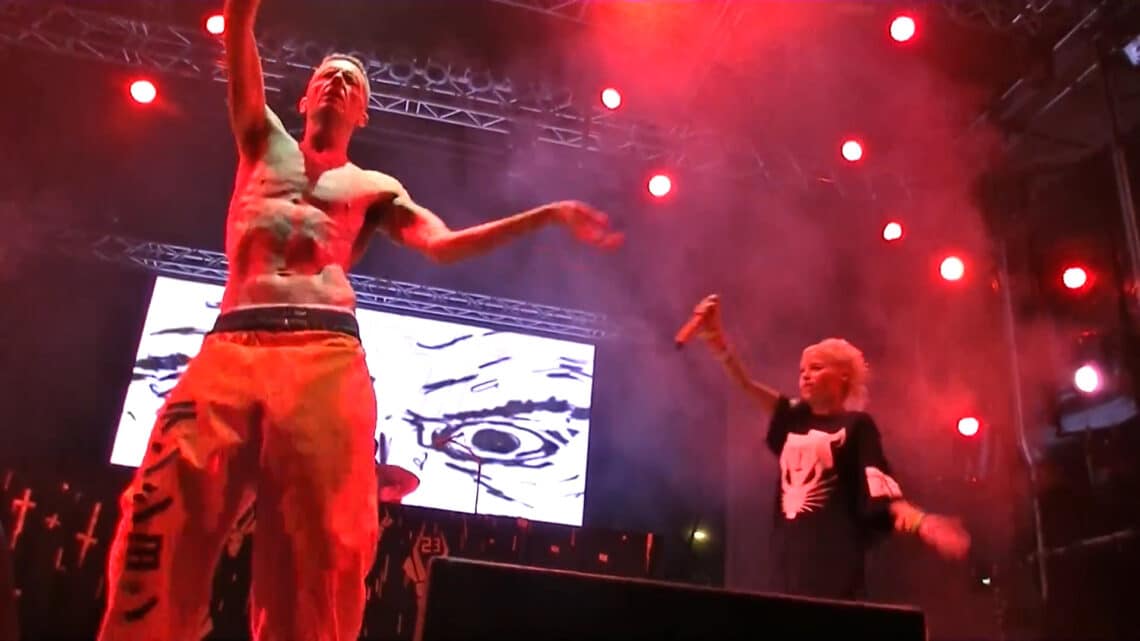
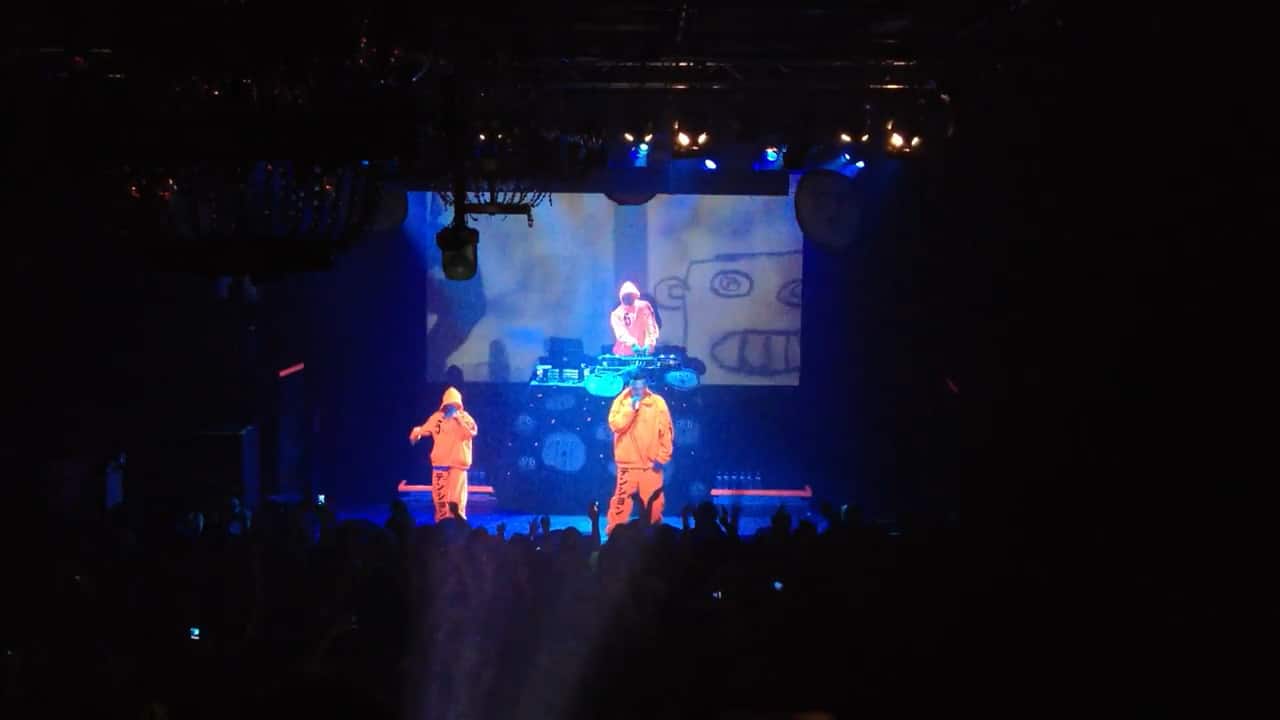
The duo’s live show was a significant factor in their ability to command these fees. Their performances were theatrical, high-energy, and visually distinctive — featuring elaborate costumes, on-stage props, and Ninja’s aggressive crowd interaction — which created memorable experiences that drove word-of-mouth ticket sales and repeat attendance. Fans who saw Die Antwoord once often returned for subsequent tours, a loyalty metric that made them a reliable draw for promoters and justified their premium fees relative to other electronic and hip-hop acts of similar chart performance.
See also: Tim Burton’s Net Worth: The Gothic Director Built a Fortune
See also: CoryxKenshin Net Worth: How the YouTube Star Built His Fortune
See also: Benson Boone’s Net Worth: How the Singer Built His Fortune