Iran Attack 2026: US-Israel Strike, Iran Retaliates — Death Toll, Timeline & Pakistan Response
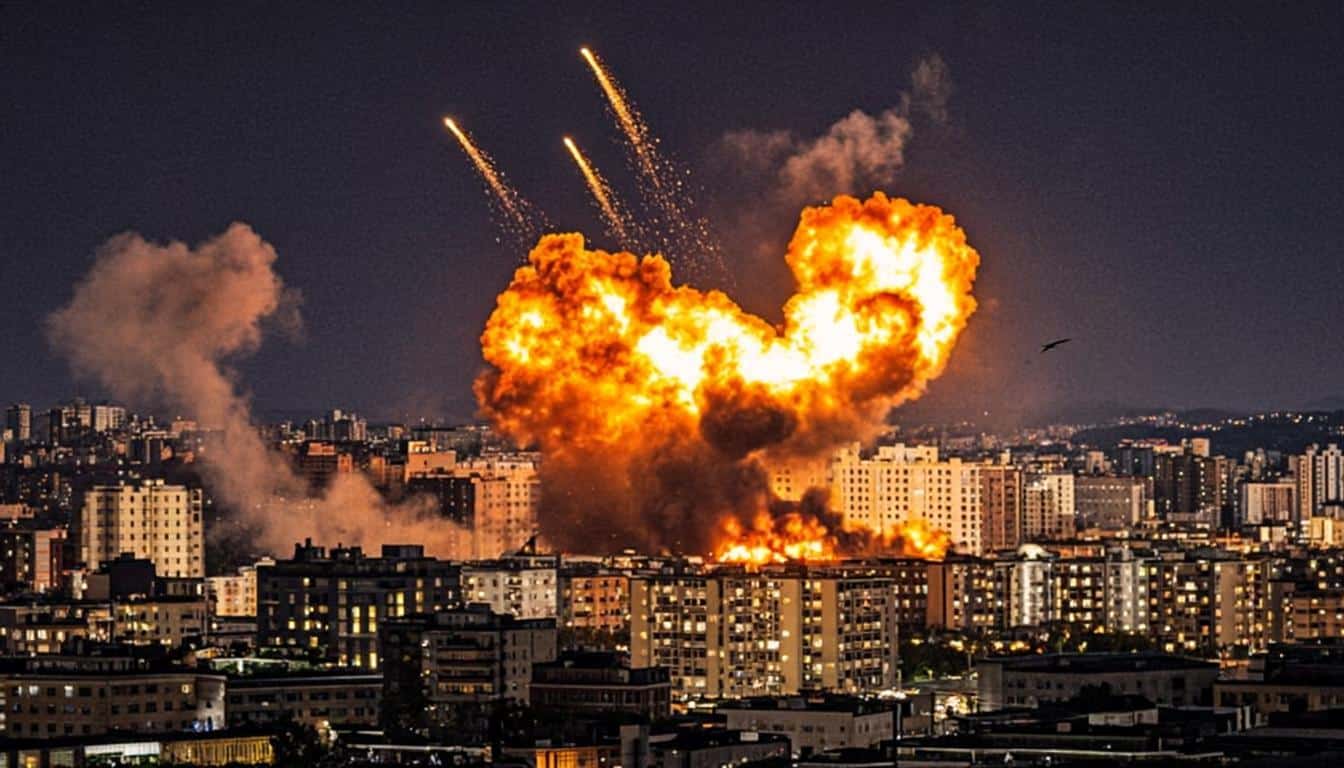
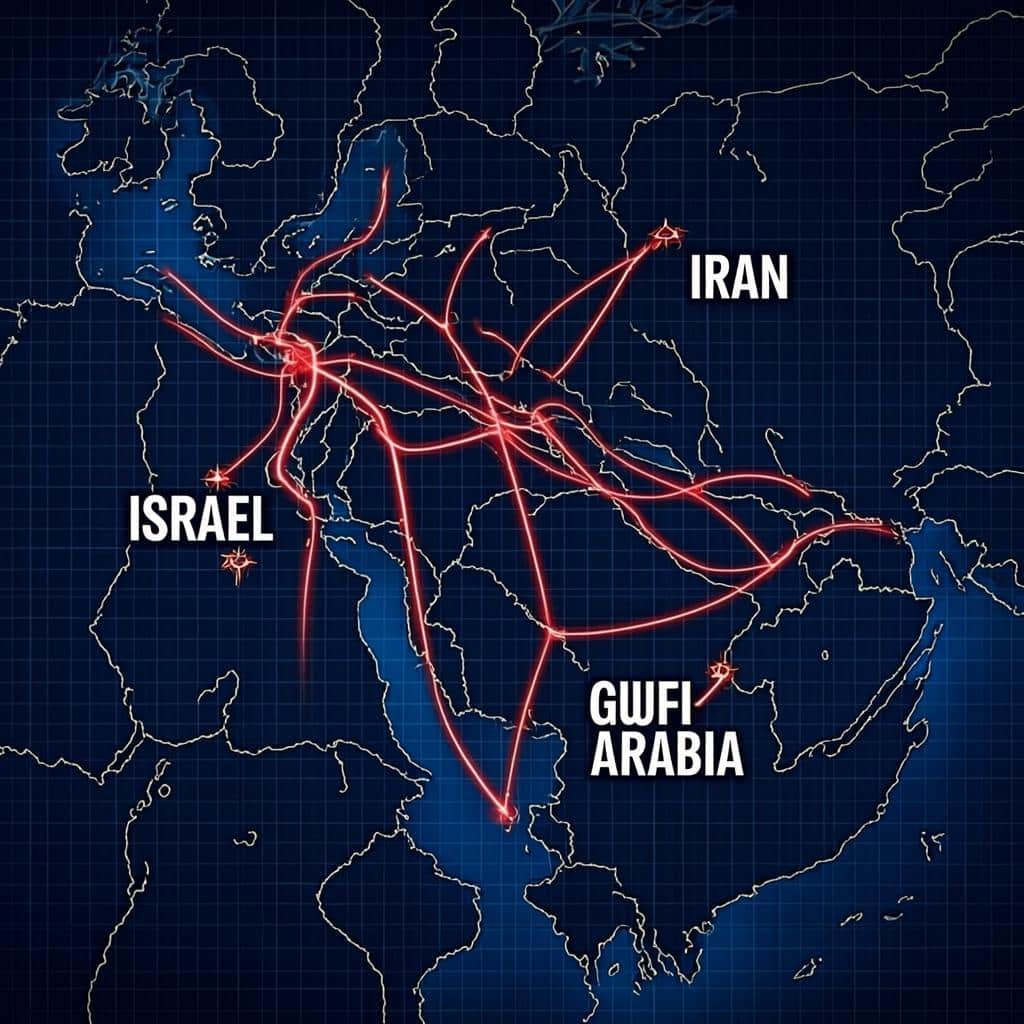
February 28, 2026On February 28, 2026, the world woke up to the kind of headlines nobody wants to see. The United States and Israel launched a massive coordinated military strike against Iran — hitting nuclear facilities, military bases, and even leadership targets. Hours later, Iran fired back with “Operation Fatah Khyber,” sending over 150 ballistic missiles and drone swarms toward Israel and American military bases in the region.
This is the biggest military escalation in the Middle East in decades, and its consequences are still unfolding. Here’s a complete breakdown of everything that happened, who’s been affected, and what it means going forward.
⚡ Key Facts at a Glance
- 📅 Date: February 28, 2026
- 🎯 Attackers: United States & Israel (joint operation)
- 💥 Targets: Iranian nuclear facilities, military bases, leadership sites
- 🚀 Iran’s Response: Operation Fatah Khyber — 150+ missiles at Israel & US bases
- ☠️ Iran Death Toll: 201 dead, 747+ injured
- 🇮🇱 Israel Casualties: 1 dead, 22 injured
- 🇦🇪 UAE Impact: Dubai Airport hit, 1 Pakistani citizen killed in Abu Dhabi
- ❓ Khamenei Status: Trump claims he’s dead — Iran hasn’t confirmed
- 🛢️ Oil Impact: Brent Crude prices surging
What Happened?
The strikes began in the early morning hours. Israel launched the first wave of attacks as what Defense Minister Israel Katz called a “pre-emptive strike.” The US joined immediately, targeting Iran’s nuclear sites with precision weapons.
President Donald Trump made a bombshell claim: that Iran’s Supreme Leader Ayatollah Ali Khamenei was killed in the strikes. As of now, Iranian officials have not confirmed this.
The human cost has been devastating. According to the Iranian Red Crescent Society, 201 people are dead and more than 747 are injured.
How Did We Get Here?
This didn’t come out of nowhere. Tensions between Iran and the West have been simmering for years — really, for decades. Israel has long viewed Iran’s nuclear program as an existential threat. Diplomatic efforts like the JCPOA nuclear deal fell apart. Back-channel negotiations went nowhere.
The attack was clearly planned well in advance. This wasn’t a spontaneous response to a single event — it was a coordinated operation between two of the most powerful militaries in the world, targeting the infrastructure Iran has spent decades building.
Timeline: February 28, 2026
| Time | What Happened |
|---|---|
| Early Morning | Israel launches first wave of pre-emptive strikes on Iranian targets |
| Minutes Later | US forces join the operation, hitting nuclear sites with precision strikes |
| Morning | Explosions rock Tehran; air raid sirens across the capital |
| Mid-Morning | Trump announces Khamenei’s death; Iran’s government stays silent |
| Late Morning | Iran launches Operation Fatah Khyber — waves of missiles head toward Israel |
| Afternoon | Missiles strike Tel Aviv; Iron Dome intercepts many but not all |
| Evening | Iran expands strikes to UAE; Dubai Airport hit; Pakistani citizen killed |
| Night | UN Security Council calls emergency meeting; world leaders scramble to respond |
Iran’s Response: Operation Fatah Khyber
Iran didn’t just take it. Within hours, the Revolutionary Guard Corps (IRGC) launched what they called “Operation Fatah Khyber” — named after a historic Islamic battle.
This was no token response. Iran fired roughly 150 ballistic missiles and deployed drone swarms at Israel and American military positions in Iraq. Videos flooded social media showing the night sky over Tel Aviv lit up with explosions as Israel’s Iron Dome worked overtime to intercept incoming projectiles.
Then it escalated further: Iran expanded its strikes to the UAE, hitting Dubai International Airport and areas around Abu Dhabi.
Where Iranian Missiles Landed
| Location | Target | Result |
|---|---|---|
| Tel Aviv, Israel | Defence Ministry buildings | 20 injured, multiple fires |
| Northern Israel | Military installations | Explosions reported |
| US Bases in Iraq | American airbases | No US casualties |
| Dubai, UAE | International Airport | 4 injured, flights halted |
| Abu Dhabi, UAE | Civilian areas | 1 killed (Pakistani citizen) |
The Human Cost
Numbers don’t capture the full picture, but here’s what we know so far:
| Location | Casualties |
|---|---|
| Iran (from US-Israel strikes) | 201 dead, 747+ injured |
| Israel (from Iranian response) | 1 dead, 22 injured |
| UAE — Abu Dhabi | 1 dead (Pakistani citizen) |
| UAE — Dubai Airport | 4 injured |
| American military forces | No casualties reported |
These numbers will almost certainly rise as rescue operations continue and more information comes in.
Pakistan’s Response
This conflict hit home for Pakistan in a very direct way: a Pakistani citizen was killed in the UAE strikes. Prime Minister Shehbaz Sharif expressed “full solidarity” with the Iranian people and condemned the US-Israel operation.
Pakistan shares a border with Iran, has significant trade ties, and a large diaspora in the Gulf states — many of whom are now in the line of fire if this conflict keeps spreading. The Pakistani government is closely monitoring the situation, particularly regarding the safety of its citizens in the UAE and broader Middle East.
International Reactions
| Country/Organization | Response |
|---|---|
| United Nations | Emergency Security Council meeting; Secretary-General calls for de-escalation |
| Russia | Condemned strikes as violation of international law |
| China | Called for diplomacy; criticized US-Israel escalation |
| European Union | Urged maximum restraint; expressed deep concern |
| Saudi Arabia | Condemned Iranian strikes on Gulf states; worried about regional stability |
| Turkey | Offered to mediate; warned of broader conflict |
| Pakistan | Condemned the attack; expressed solidarity with Iran |
The Bigger Picture
Oil Markets
Brent Crude prices surged immediately after news broke. The Strait of Hormuz — through which roughly 20% of the world’s oil flows — is under intense watch. If Iran blocks it (something they’ve threatened before), we’re looking at a genuine global energy crisis.
Travel and Aviation
Dubai International Airport was temporarily shut down. Airlines across the region are rerouting flights to avoid Iranian and Israeli airspace. If you have travel plans anywhere in the Middle East, check with your airline.
What Comes Next?
That’s the question everyone’s asking, and nobody has a great answer. This could stabilize if diplomatic channels hold — Turkey has offered to mediate, the UN is meeting — but it could also spiral further. Iran has proxies across the region (Hezbollah in Lebanon, Houthis in Yemen, militias in Iraq), and if they activate, this becomes a much wider conflict.
The Bottom Line
- The US and Israel launched a coordinated military strike on Iran on February 28, 2026
- Iran responded with Operation Fatah Khyber, firing 150+ missiles
- 201 people dead in Iran; casualties also in Israel and the UAE
- Trump claims Ayatollah Khamenei was killed (unconfirmed by Iran)
- Pakistan condemns the attack; 1 Pakistani citizen killed in UAE
- Oil prices spiking; flights disrupted across the region
- The world is watching to see if this escalates or if diplomacy prevails
Frequently Asked Questions
Why did the US and Israel attack Iran?
The stated reason was to neutralize Iran’s nuclear capabilities, which Israel considers an existential threat. The operation was described as a “pre-emptive strike” by Israeli officials.
Is Ayatollah Khamenei really dead?
President Trump claimed Khamenei was killed in the strikes, but as of now, Iranian officials have not confirmed this. The situation remains unverified.
How has Iran responded to the attack?
Iran launched “Operation Fatah Khyber,” firing over 150 ballistic missiles and drones at Israel, US military bases in Iraq, and targets in the UAE including Dubai Airport.
Were any Americans killed?
No US military casualties have been reported so far, despite Iranian missiles targeting American bases in Iraq.
How does this affect Pakistan?
One Pakistani citizen was killed in the UAE. Pakistan shares a border with Iran and has a large diaspora in Gulf states. PM Shehbaz Sharif has condemned the attack and expressed solidarity with Iran.
Will oil prices go up?
They already have. Brent Crude surged after the attack. If the Strait of Hormuz is disrupted, prices could spike even further, affecting fuel costs globally.
Sources: BBC News, Al Jazeera, Reuters, The Guardian, CNN