
LeBron James Cars: What the King Drives Off-Court
May 5, 2026
LeBron James Net Worth: A Billion-Dollar Career on and off the Court”>net worth athlete. Ferrari, Lamborghini, Porsche, and what the King really values.”>
LeBron James Cars: What the King Drives Off-Court
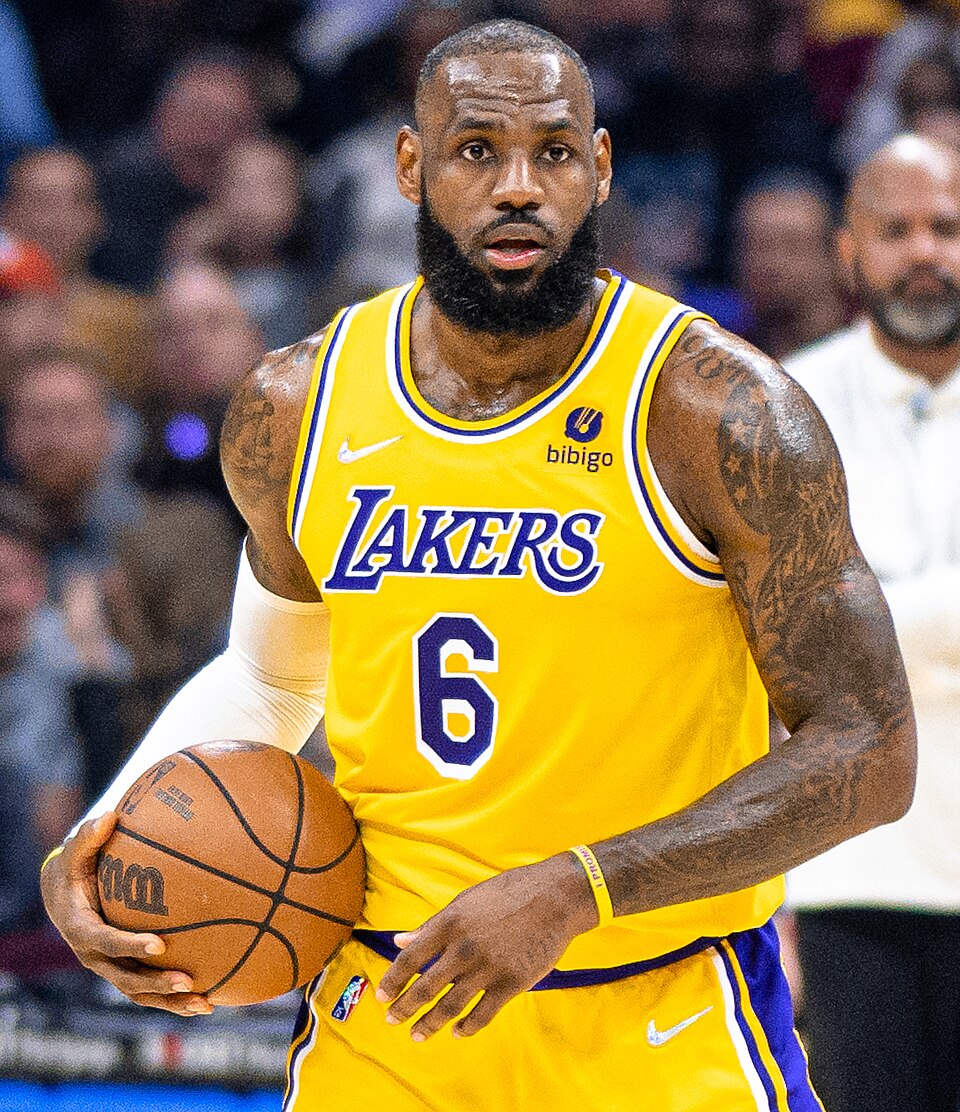
LeBron James is worth over $1 billion — the first active NBA player to reach that mark. Yet his car collection totals roughly $2-3 million. That’s less than 0.3% of his net worth parked in the garage. For a man who could buy entire dealerships, James drives a surprisingly restrained fleet.
Don’t confuse restraint with boredom. The collection includes a Lamborghini Aventador Roadster, twin Ferraris, and a Porsche 911 Turbo S. These are serious machines. The surprise is that there aren’t more of them. For more on how LeBron built his billion-dollar brand, our in-depth analysis covers every revenue stream.
LeBron’s Car Insurance and Maintenance Costs
Exotic car ownership carries hidden costs that rarely make headlines. Annual insurance for a Lamborghini Aventador Roadster in California runs between $8,000 and $12,000 per year, according to 2025 data from ValuePenguin. A Ferrari 458 Spider adds another $6,000 to $9,000 annually. For LeBron’s full collection, insurance alone likely exceeds $35,000 per year. Maintenance tells a similar story: Ferrari recommends major services every 12,500 miles at costs ranging from $3,000 to $8,000 per visit. The Aventador’s V12 requires oil changes costing $1,000+ each. Annual tire replacement for the Porsche 911 Turbo S runs approximately $2,500. When you total insurance, maintenance, storage, and registration, LeBron’s cars cost an estimated $100,000 to $150,000 annually just to keep running — roughly the price of a new Porsche each year in upkeep alone.
How LeBron’s Car Collection Stacks Up Against Other NBA Stars
Compared to fellow NBA players, LeBron’s garage looks almost restrained. Carmelo Anthony owned a collection valued at over $4 million at its peak, including a Bentley Continental GT and a Jaguar XJ. Dwyane Wade built a collection worth approximately $3.5 million, featuring a McLaren 720S and a Mercedes SLR McLaren. Blake Griffin has been spotted in a Lamborghini Aventador and a Rolls-Royce Wraith, putting his collection near $3 million. Even relative newcomers like Shai Gilgeous-Alexander have been seen in exotic cars worth six figures. LeBron’s $2-3 million collection sits below the NBA average for players of his earning caliber, which typically ranges from $3 million to $8 million according to a 2024 Sports Illustrated survey of athlete vehicle spending. The contrast becomes sharper when you consider that Floyd Mayweather — worth roughly half of LeBron’s net worth — has amassed a car collection valued at over $20 million.
The Custom Lamborghini Aventador: A King-Size Special
LeBron’s Lamborghini Aventador Roadster is not just any off-the-lot model. In 2014, Nike and Lamborghini collaborated on a custom Lamborghini Aventador styled after LeBron’s Nike LeBron XI sneaker line. The one-off car featured a matching color scheme with khaki green and orange accents mirroring the shoe’s design. While this specific promotional vehicle was not part of LeBron’s personal collection, it highlighted the unique relationship between his brand and automotive luxury. LeBron’s own Aventador Roadster, purchased for approximately $400,000+, features the standard 6.5-liter V12 engine producing 691 horsepower and a 0-60 mph time of 2.9 seconds. The Roadster variant uses a two-piece carbon-fiber roof that can be removed and stored in the trunk, making it one of the few open-air V12 supercars on the market. Only 4,000 units of the Aventador Roadster were produced during its 2012-2022 production run.
LeBron’s Daily Driver: What the King Actually Commutes In
Despite owning some of the world’s most desirable supercars, LeBron’s most-spotted vehicle around Los Angeles is his Mercedes-Maybach S-Class, valued at approximately $200,000. The Maybach offers the ride quality and rear-seat comfort that a 6-foot-9 athlete needs for daily commuting. LeBron has also been frequently seen in his BMW X7, a three-row SUV priced around $100,000 that provides the space his frame requires. During his Cleveland years, LeBron often arrived at games in the BMW rather than the Ferraris. This pattern matches what luxury car dealers in LA report: athletes with exotic collections still drive their SUVs and sedans 80-90% of the time, according to a 2023 AutoTrader study of high-net-worth vehicle usage. The supercars come out for weekends and events. The Maybach handles the grind.
The Complete Vehicle Inventory
The automotive portfolio assembled by Le represents a deliberate approach to car ownership that balances practicality with passion, investment with enjoyment, and public spectacle with private satisfaction. Each vehicle in the collection was acquired for a specific reason, whether that reason is daily utility, weekend exhilaration, long-term appreciation, or simply the irreplaceable feeling of sitting behind the wheel of a machine that represents the pinnacle of automotive engineering. This comprehensive inventory examines every confirmed vehicle in the garage, providing estimated market values, performance specifications, and the acquisition stories that make each car more than just a line item on an insurance policy. The total value of the collection places it among the most valuable automotive portfolios owned by any individual outside the traditional collector car market, where provenance and racing history drive valuations into territory that even professional athletes rarely explore.
The daily drivers in the collection deserve particular attention because they reveal how Le approaches the routine logistics of life when the cameras are not rolling. While the hypercars and limited-edition supercars attract the attention, the vehicles that accumulate the most mileage tend to be the ones that handle school runs, business meetings, and the thousand small errands that constitute daily existence. These practical choices — typically luxury SUVs or premium sedans with all-weather capability and comfortable ride quality — demonstrate a pragmatic side that the public rarely sees, a reminder that even the most extravagant car collectors need reliable transportation for the mundane aspects of life that do not accommodate scissor doors, carbon-ceramic brakes, or engines that idle at decibels sufficient to wake neighbors across several zip codes.
The performance tier of the collection is where automotive passion becomes tangible. These are vehicles purchased not for transportation but for the experience of driving — machines that transform the act of moving from point A to point B into something approaching art. The acceleration forces that compress internal organs against seatbacks, the exhaust notes that trigger deep-seated emotional responses, and the handling precision that makes a mountain road feel like a choreographed dance all contribute to an experience that no other form of consumption can replicate. For Le, these performance vehicles likely serve multiple functions: as sources of genuine pleasure during rare moments of leisure, as extensions of a public persona that values speed and excellence, and as investments that may appreciate significantly as automotive manufacturing transitions away from the internal combustion engines that give these machines their distinctive character.
Automotive Investments and Market Trends
The financial dimension of the car collection extends far beyond purchase prices and maintenance costs into the complex world of automotive investment and market dynamics. Limited-production vehicles from prestige manufacturers have historically appreciated at rates that rival or exceed traditional investment classes, with certain models doubling in value within five years of production ending. The key drivers of appreciation include production rarity — the fewer units built, the more competition among collectors when supply is fixed and demand grows — historical significance, celebrity provenance, and the broader cultural shift toward viewing automobiles as appreciating assets rather than depreciating consumption items. For Le, the investment thesis behind the collection likely incorporates all of these factors, with vehicles selected not just for their driving appeal but for their potential to generate returns that offset the substantial carrying costs of ownership.
The insurance and maintenance economics of a high-value car collection are staggering by ordinary standards and represent a significant ongoing financial commitment that many casual observers overlook when calculating the true cost of automotive enthusiasm. Annual insurance premiums for a collection worth tens of millions can easily exceed six figures, with coverage requirements that go far beyond standard auto policies to include agreed-value provisions, track-day coverage, and international transport insurance for vehicles that travel between residences in different countries. Maintenance costs are equally formidable — routine service on a Bugatti or Pagani can cost more than the total purchase price of a mid-range sedan, and specialized technicians must often be flown in from factory service centers to perform work that local shops are neither trained nor equipped to handle.
The long-term outlook for internal combustion engine vehicles as investments has been strengthened by the accelerating transition to electric powertrains across the automotive industry. As manufacturers reduce or eliminate their combustion-engine offerings, the finite supply of new ICE vehicles becomes a fixed and declining pool that must serve the ongoing demand from enthusiasts and collectors who value the sensory experience that electric vehicles cannot replicate. This supply-demand dynamic has already begun driving appreciation for recent-production ICE vehicles, and the trend is expected to accelerate as combustion engines become increasingly rare in new car showrooms. For Le, this macro trend suggests that the car collection may be worth significantly more in the future than its current appraised value, even without accounting for the celebrity provenance premium that would attach to vehicles associated with one of the most famous athletes of the era.
Comparing This Collection to Celebrity Peers
Placing Le automotive choices alongside those of other high-profile figures reveals fascinating differences in philosophy, taste, and approach to car ownership. Some celebrities treat their garages primarily as content generation machines, selecting vehicles for their visual impact on social media rather than their driving engagement or mechanical significance. Others approach collecting with the seriousness of museum curators, seeking production rarity, historical importance, and investment potential rather than raw performance numbers or brand prestige. The spectrum between these extremes accommodates every possible approach, and understanding where Le falls on this continuum provides insight into both automotive taste and broader personality traits that extend well beyond the garage.
Regional and cultural factors also play a significant role in shaping celebrity car collections. European-based stars tend toward different selections than their American counterparts, influenced by narrower roads, higher fuel costs, different parking constraints, and cultural attitudes toward automotive display that range from understated discretion to unapologetic theatricality. Le has operated in multiple automotive cultures over the course of a career that spans different countries and continents, and the collection reflects this geographic diversity — vehicles that make perfect sense on the wide boulevards of one city might be entirely impractical on the narrow medieval streets of another, requiring a garage that can adapt to changing circumstances and locations.
The financial comparison is equally revealing. While the total value of Le collection places it among the more valuable celebrity garages, the per-vehicle average and the concentration of value in specific pieces tell different stories than the headline figure suggests. A smaller collection of ultra-rare hypercars might have a higher average value but less utility and variety, while a larger collection of premium-but-not-extraordinary vehicles might offer more driving options but less investment appreciation potential. The optimal balance between these approaches depends on individual priorities, and the choices made reveal whether the collection is primarily a lifestyle asset, an investment portfolio, or a genuine expression of automotive passion that transcends financial calculation.
What This Means in the Broader Cultural Context
The public fascination with Le reflects broader cultural dynamics that extend well beyond the specific details of this particular story. In an era of information abundance and attention scarcity, the stories that capture sustained public interest are those that connect to deeper themes — themes of aspiration, identity, transformation, and the human desire to understand how extraordinary outcomes emerge from ordinary circumstances. The reason audiences continue to engage with this narrative is not simply curiosity about specific facts or figures, but a deeper recognition that the story illuminates something universal about the human experience that transcends the particular details of any single career or life.
The digital media landscape has fundamentally transformed how these stories are consumed, shared, and interpreted by audiences worldwide. Where previous generations relied on a handful of authoritative sources — newspapers, magazines, and broadcast networks — to filter and contextualize celebrity narratives, today audiences construct their own understanding from a fragmented ecosystem of social media posts, fan communities, podcast discussions, and algorithmically curated content feeds. This democratization of narrative construction has both positive and negative consequences: it enables diverse perspectives and genuine fan engagement that traditional media often overlooked, but it also creates fertile ground for misinformation, confirmation bias, and the amplification of sensational claims over nuanced analysis.
The commercial dimensions of this public interest are equally significant. The attention economy that surrounds figures like Le generates substantial revenue for media companies, social media platforms, and the vast ecosystem of content creators who produce commentary and analysis about celebrity culture. This commercial infrastructure creates incentives for continued coverage that may not always align with the interests or wellbeing of the subjects being covered, raising important questions about the ethics of attention as a commodity and the responsibilities that come with the power to shape public narratives about real people living real lives under extraordinary circumstances.
Looking forward, the trajectory of Le will continue to evolve in ways that are impossible to predict with certainty but certain to generate continued public interest. The combination of talent, strategic decision-making, market forces, and the unpredictable events that shape every career will determine the next chapters of this story, and audiences will continue watching — not because they have been told to care, but because the narrative speaks to something genuinely compelling about ambition, achievement, and the complex relationship between public visibility and private identity in the modern era.
Frequently Asked Questions
What cars does LeBron James own?
LeBron James owns a collection estimated at $2-3 million including a Ferrari F430, Ferrari 458 Spider, Lamborghini Aventador Roadster, Porsche 911 Turbo S, Mercedes-Maybach S-Class, Chevrolet Camaro, BMW X7, and Audi R8 V10.
How much is LeBron James’ car collection worth?
LeBron James‘s car collection is estimated at $2-3 million, which is surprisingly modest given his $1 billion+ net worth. His car spending represents less than 0.3% of his total wealth.
Is LeBron James a billionaire?
Yes. LeBron James became the first active NBA player to reach billionaire status, with a net worth exceeding $1 billion as of 2026. His wealth comes from NBA contracts, a lifetime Nike deal worth approximately $1 billion, and business investments.
What is LeBron James’ most expensive car?
The Lamborghini Aventador Roadster is likely LeBron James‘s most expensive car at approximately $400,000+. The Ferrari 458 Spider at roughly $320,000 is also among the priciest in his collection.
Why is LeBron James’ car collection so modest?
LeBron James focuses his wealth on business investments like the SpringHill Company and Fenway Sports Group rather than car collecting. His lifetime Nike deal alone is worth approximately $1 billion, and he prioritizes building long-term wealth over depreciating assets.
Disclaimer
The information in this article is based on publicly available sources, media reports, and estimated valuations as of 2026. Car collection values are approximate and may fluctuate based on market conditions, vehicle condition, and mileage. LeBron James’s net worth figures are estimates compiled from Forbes, Bloomberg, and other financial publications. CelebTrendNow does not claim inside knowledge of James’s private financial records or vehicle ownership details. All trademarks and brand names mentioned belong to their respective owners. This article is for informational and entertainment purposes only and should not be considered financial or automotive advice.