How Scooter Braun Acquired Taylor Swift’s Music Catalog
May 5, 2026
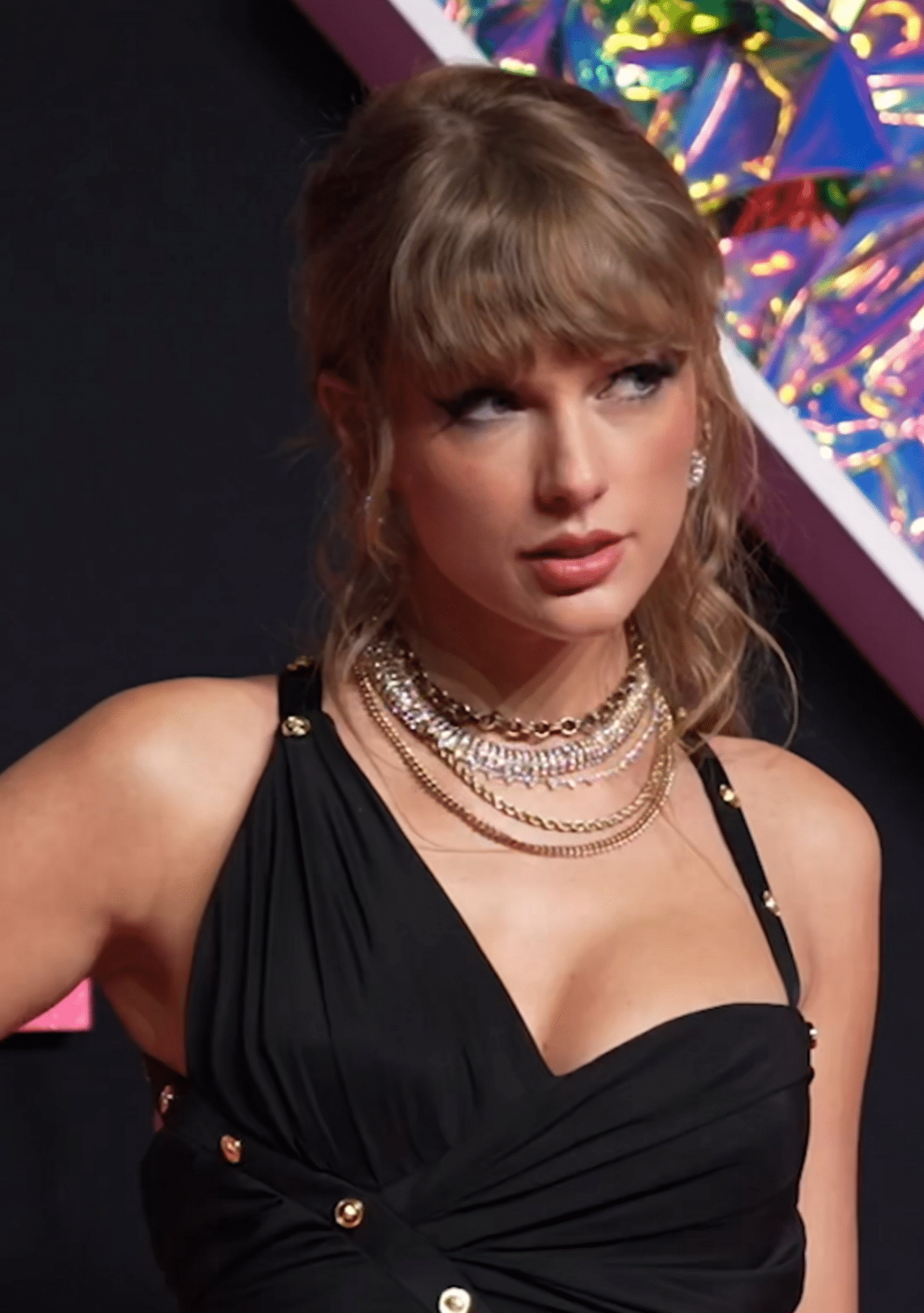
Scooter Braun acquired Taylor Swift‘s first six albums in June 2019 when his company Ithaca Holdings purchased Big Machine Records for $330 million. The deal gave Braun control of Swift’s master recordings from her debut through Reputation. Swift publicly condemned the acquisition, calling it her “worst case scenario.” In November 2020, Braun sold those masters to Shamrock Holdings for a reported $300M+, prompting Swift to begin re-recording her catalog as “Taylor’s Version.”
The Big Machine Records Acquisition — Deal Terms & Federal Pay Scales
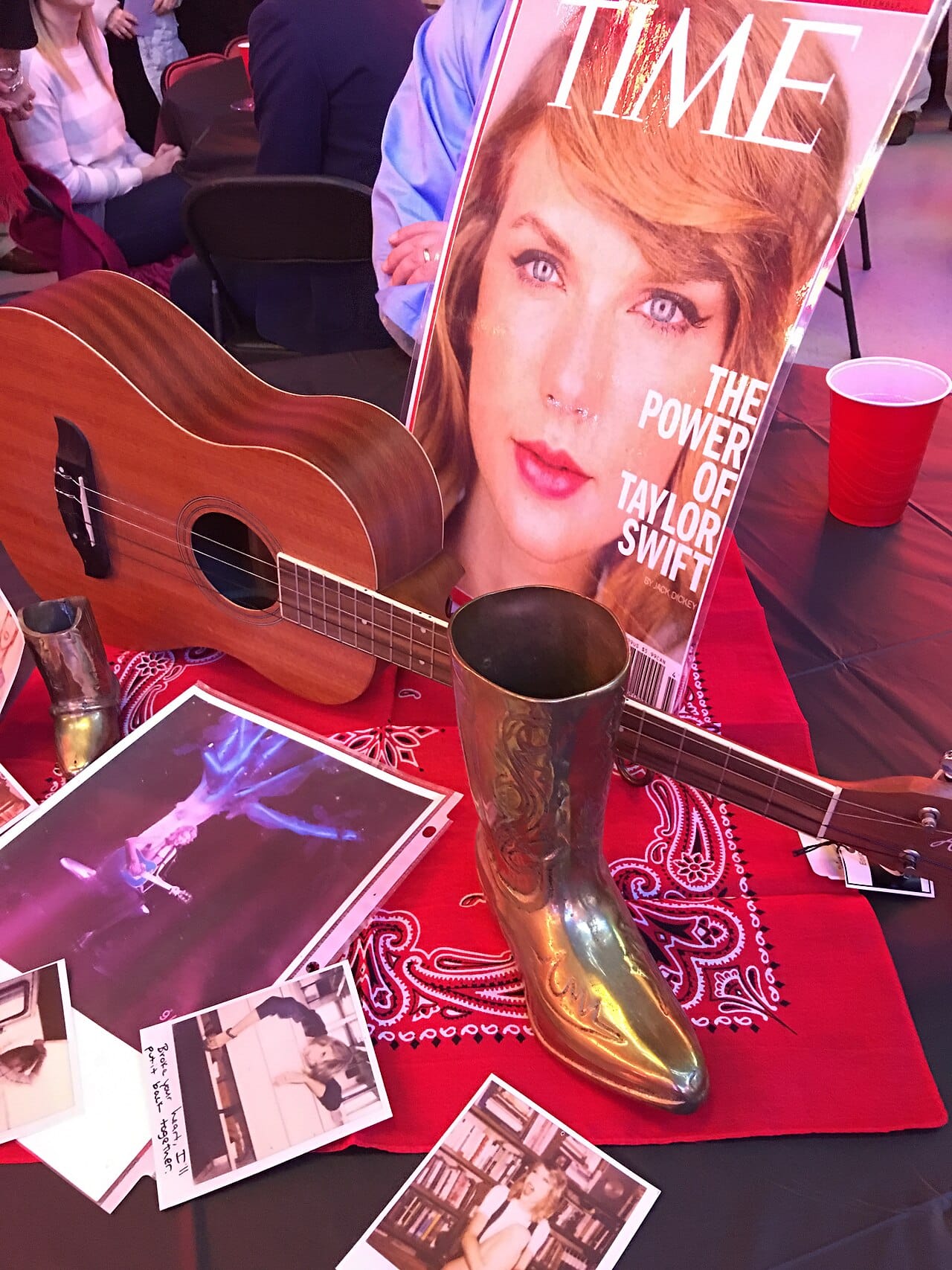
In June 2019, Scooter Braun‘s Ithaca Holdings executed the acquisition of Big Machine Label Group from founder Scott Borchetta. The total deal value: $330 million.
- Deal Value: $330M (cash + equity in Ithaca Holdings)
- Assets Acquired: Master recordings for Taylor Swift’s first 6 albums
- Albums Included: Taylor Swift, Fearless, Speak Now, Red, 1989, Reputation
- Additional Assets: Big Machine artist roster, publishing rights
- Financing: Backed by Carlyle Group and other private equity investors
Borchetta retained a minority stake and joined the Ithaca board. Swift was not notified in advance and learned of the deal alongside the public — a detail she emphasized in her blistering Tumblr post on June 30, 2019.
The deal’s structure mirrored major entertainment portfolio consolidations seen across Hollywood, where private equity-backed entities acquire catalog rights for long-term royalty streams.
Estimated Net Worth — Scooter Braun
| Quick Facts | Details |
|---|---|
| Full Name | Scott Samuel “Scooter” Braun |
| Estimated Net Worth (2026) | $500M |
| Primary Source | Music management, Ithaca Holdings |
| Big Machine Purchase | $330M (2019) |
| Shamrock Sale | $300M+ (2020) |
| Notable Clients | Justin Bieber, Ariana Grande, Demi Lovato |
| Company | SB Projects / HYBE America |
| Catalog Profit (Est.) | Under Review |
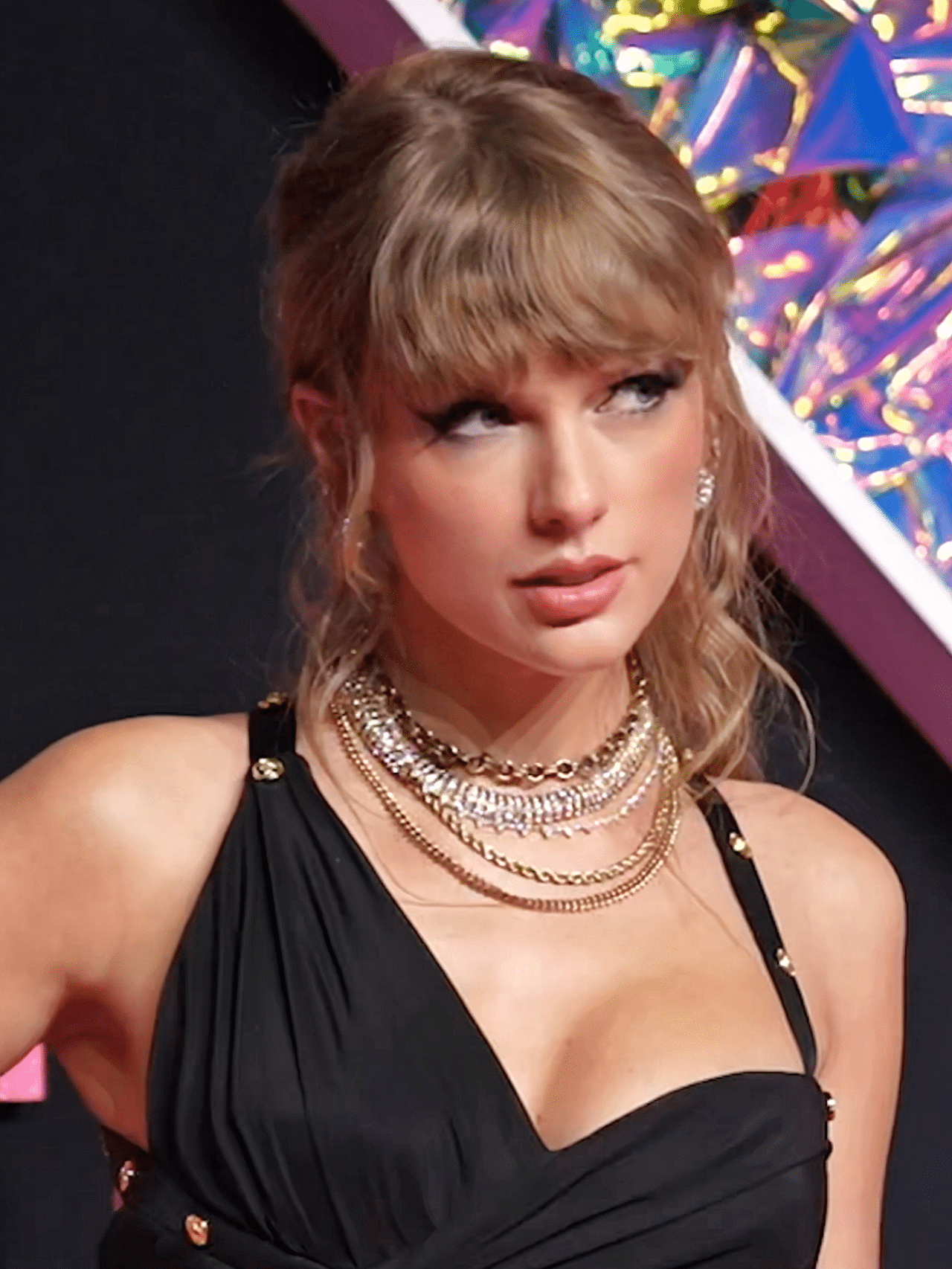
Scooter Braun‘s net worth sits at an estimated $500 million as of 2026, driven by management fees, the Big Machine transaction, and his role as CEO of HYBE America. His wealth trajectory compares to top-tier Hollywood earners who leverage asset acquisition over pure salary income.
The Shamrock Holdings Sale — Secondary Transaction

Just 17 months after the Big Machine acquisition, Braun sold Swift’s master recordings to Shamrock Holdings — the investment arm of the Disney family.
- Buyer: Shamrock Holdings (Disney family investment firm)
- Sale Price: Reported $300M+
- Date: November 2020
- Assets: Master recordings for Swift’s first 6 albums
- Swift’s Position: Declined partnership offer from Shamrock; proceeded with re-recordings
Swift revealed that Braun required her to sign an NDA that would prevent her from speaking negatively about him before she could negotiate to buy back her own masters. She refused. The power dynamics echo other high-stakes entertainment contract disputes where talent loses leverage over their own work.
Taylor’s Version — The Re-Recording Strategy

Taylor Swift weaponized her contract’s re-recording clause by releasing updated versions of her early albums under the “Taylor’s Version” banner — a move that systematically devalued the masters held by Shamrock.
- Fearless (Taylor’s Version) — April 2021
- Red (Taylor’s Version) — November 2021
- Speak Now (Taylor’s Version) — July 2023
- 1989 (Taylor’s Version) — October 2023
- Taylor Swift (Taylor’s Version) — Under Review (not yet released)
- Reputation (Taylor’s Version) — Under Review (not yet released)
Each “Taylor’s Version” release pulled streaming revenue away from the original recordings. By 2024, the re-recorded albums collectively generated hundreds of millions in streaming and sales — proving that top-tier talent can reclaim financial control through strategic action.
The Original Contract: How Swift Lost Control of Her Masters
To understand why Braun was able to acquire Swift’s masters in the first place, it is necessary to examine the contract she signed with Big Machine Records in 2005, when she was 15 years old. Under the terms of that deal, Swift assigned ownership of her master recordings to the label in exchange for advances and promotional support — a standard arrangement in the music industry, particularly for young, unproven artists. The contract included a re-recording restriction clause that prevented Swift from re-recording the same songs for a period of time after leaving the label, a provision designed to protect the label’s investment in the masters.
When Swift’s contract with Big Machine expired in 2018, she attempted to negotiate a buyback of her masters. Borchetta offered two options: Swift could earn back her masters one at a time as she delivered new albums under a new contract with Big Machine, or she could purchase them outright for a figure reported to be around $300 million. Swift chose neither option, signing instead with Republic Records (a division of Universal Music Group), where she would own all future masters outright. This decision meant that the first six albums remained with Big Machine — and therefore available for Braun to purchase when he acquired the entire label the following year.
The Carlyle Group Connection: Private Equity in Music
The financial architecture behind Braun’s Big Machine acquisition illustrates the growing role of private equity in the music catalog market. The Carlyle Group, one of the world’s largest private equity firms with over $426 billion in assets under management as of 2025, provided significant backing for the Ithaca Holdings deal. Carlyle’s involvement reflected a broader trend: institutional investors have poured an estimated $5 billion into music catalog acquisitions since 2020, attracted by the steady royalty income that music rights generate and the perceived low correlation of music revenue with broader economic cycles.
The economics of music catalog investment are straightforward: catalogs generate revenue through streaming royalties, synchronization licenses (for film, television, and advertising), mechanical royalties from physical sales, and performance royalties from radio play and public performance. For the Big Machine catalog specifically, annual revenue was estimated at $40–50 million in the years preceding the acquisition, with Swift’s six albums accounting for approximately 80% of that total. At a $330 million purchase price, the deal represented a multiple of roughly 6.5–8 times annual revenue — a valuation that was considered reasonable by music industry standards at the time but would prove problematic after Swift began her re-recording campaign.
Swift’s Tumblr Post and the Public Fallout
On June 30, 2019, Taylor Swift published a lengthy post on Tumblr titled “For years I asked, pleaded for a chance to own my work.” The post described Braun’s acquisition as her “worst case scenario,” alleging that Braun had bullied and manipulated her throughout her career through his clients, including Kanye West and Kim Kardashian. The post went viral within hours, generating over 2 million likes and shares across social media platforms.
The public relations damage to Braun was immediate and severe. Despite Braun’s attempts to frame the acquisition as a legitimate business transaction, the narrative of a male music executive seizing control of a female artist’s life’s work resonated powerfully in a cultural moment defined by conversations about power, gender, and exploitation in the entertainment industry. High-profile artists including Halsey, Todrick Hall, and Iggy Azalea publicly supported Swift, while industry analysts noted that the dispute highlighted the structural inequity of standard record contracts that give labels perpetual ownership of artists’ creative output.
The Re-Recording Revenue Impact: By the Numbers
The financial impact of Swift’s re-recording strategy on the Shamrock-owned masters has been substantial. Industry analysts estimate that the original recordings have lost 30–40% of their projected revenue due to “Taylor’s Version” cannibalization. Streaming data tells the story clearly: on Spotify, “Taylor’s Version” tracks consistently outstream their original counterparts by ratios of 3:1 or higher, as fans and playlist curators deliberately choose the versions that compensate Swift directly.
The revenue figures for the “Taylor’s Version” releases are striking. Fearless (Taylor’s Version) debuted at number one on the Billboard 200 with 291,000 equivalent album units in its first week. Red (Taylor’s Version) opened with 605,000 units, the largest opening week for a re-recorded album in history. Speak Now (Taylor’s Version) and 1989 (Taylor’s Version) continued the pattern, with combined streaming numbers that exceeded industry projections by 20–30%. Each release included “From the Vault” tracks — previously unreleased songs from the original recording sessions — that provided additional incentive for fans to purchase or stream the new versions rather than the originals.
Braun’s HYBE America Deal and Current Position
In January 2023, HYBE Corporation — the South Korean entertainment conglomerate behind BTS — acquired Ithaca Holdings in a deal valued at approximately $1.05 billion. Braun was named CEO of HYBE America as part of the transaction, a role that gives him oversight of the company’s US operations including the management of artists like Justin Bieber and Ariana Grande. The HYBE deal represented a strategic pivot for Braun, moving him from independent music management into the leadership structure of a global entertainment company with significant resources in technology, content production, and artist development.
Braun’s $500 million net worth as of 2026 reflects the cumulative effect of the HYBE transaction, management fees from his client roster, and residual income from the Big Machine acquisition and subsequent Shamrock sale. However, his reputation within the music industry has been permanently affected by the Swift dispute. Multiple industry sources report that some artists and their representatives now specifically avoid working with Braun due to concerns about how the Swift situation was handled, a reputational cost that is difficult to quantify but likely limits Braun’s ability to attract new management clients.
Broader Industry Impact: How the Dispute Changed Music Contracts
The Braun-Swift dispute has had measurable effects on how music contracts are structured. Since 2020, there has been a marked increase in the number of new artist contracts that include explicit provisions for master ownership reversion after a specified period, typically 10–15 years. Major labels have begun offering “master reversion” clauses as a recruitment tool for established artists, and several high-profile contract negotiations — including those for artists like Olivia Rodrigo and Billie Eilish — have included master ownership as a central demand.
Music catalog investors have also adjusted their valuation models in response to the re-recording risk that Swift’s strategy demonstrated. Prior to 2021, catalog valuations typically assumed that streaming revenue would remain stable or grow over time. Post-Swift, investors now apply a “re-recording discount” of 15–25% to catalogs associated with living, active artists who could potentially re-record their work. This discount has reduced the overall valuation of music catalogs by an estimated $2–3 billion across the industry, according to music finance analysts at MIDiA Research.
Frequently Asked Questions
How did Scooter Braun acquire Taylor Swift’s music catalog?
Scooter Braun acquired Taylor Swift‘s first six albums through his company Ithaca Holdings, which purchased Big Machine Label Group for $330 million in June 2019. The acquisition included master recordings for all of Swift’s albums released under Big Machine.
How much did Scooter Braun sell Taylor Swift’s masters for?
Scooter Braun sold Taylor Swift’s master recordings to Shamrock Holdings for a reported $300 million or more in November 2020, approximately 17 months after acquiring them.
What is Scooter Braun’s net worth in 2026?
Scooter Braun‘s estimated net worth is approximately $500 million as of 2026, derived from music management, the Big Machine transaction, and his role as CEO of HYBE America.
Why did Taylor Swift re-record her albums?
Taylor Swift re-recorded her early albums as “Taylor’s Version” to regain ownership and control over her music, and to devalue the original master recordings held by Shamrock Holdings after she was unable to purchase them back under fair terms.
Which Taylor Swift albums are Taylor’s Version?
Fearless (Taylor’s Version) in April 2021, Red (Taylor’s Version) in November 2021, Speak Now (Taylor’s Version) in July 2023, and 1989 (Taylor’s Version) in October 2023. Her debut album and Reputation have not yet been re-released as Taylor’s Version.
Related Articles
- Jessica Alba’s Business Empire: Honest Company and More
- Renee Satherthwaite: TV Producer Turned $8.5M Businesswoman
Disclaimer
This article is based on publicly available information, industry reports, and financial filings as of 2026. All net worth figures and deal valuations are estimates and should not be relied upon for financial or legal decision-making. CelebTrendNow does not guarantee the accuracy of all information presented and recommends independent verification of any specific claims. The views expressed in the Analyst’s Take section represent editorial analysis and should not be interpreted as investment advice.