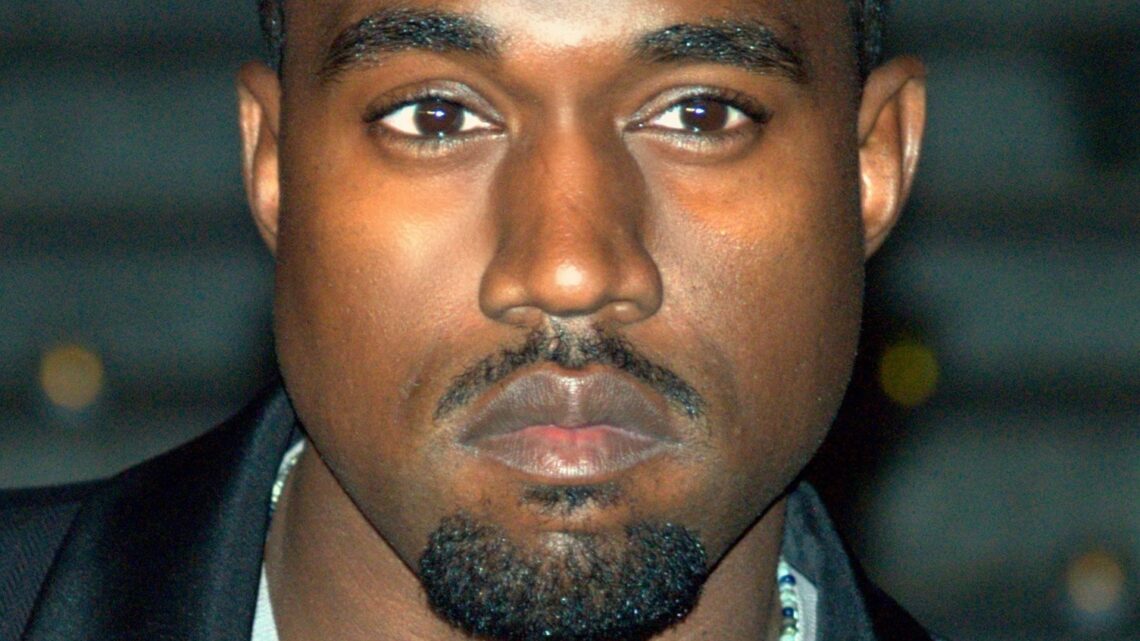
What Kanye West Said and What Happened After
May 5, 2026
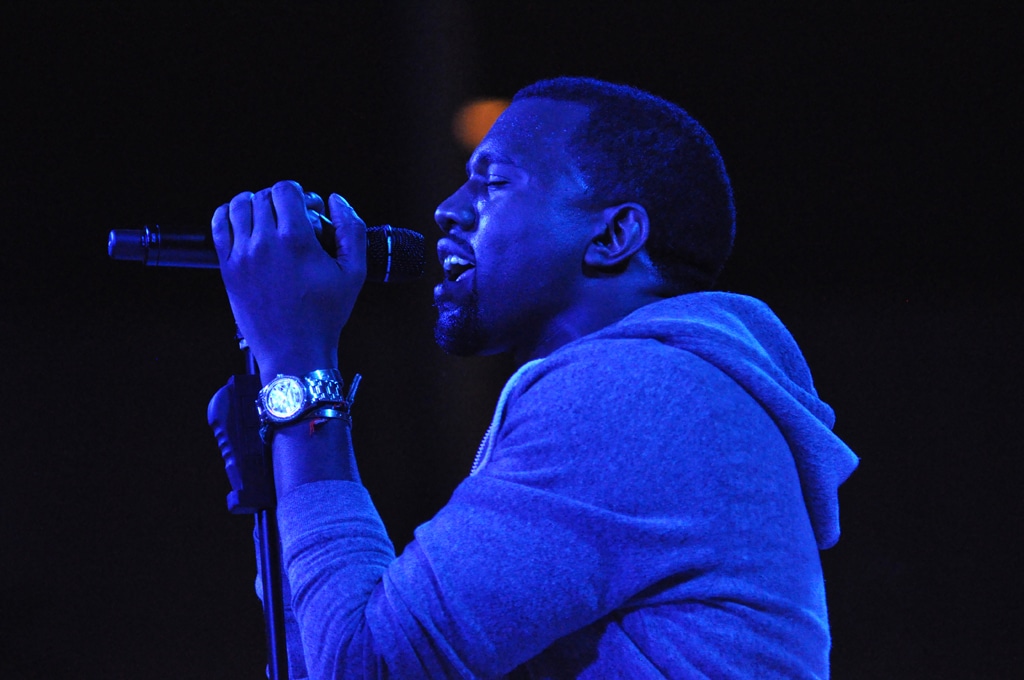
Kanye West lost his billionaire status after a series of antisemitic remarks in 2022, the Adidas/Yeezy partnership collapse, and a chaotic InfoWars appearance. His net worth plummeted from $1.8 billion to roughly $400 million in 2026. Here’s the full breakdown of what he said, what broke, and what remains.
📋 Quick Facts: Kanye West
| Category | Detail |
|---|---|
| Full Name | Kanye Omari West |
| Born | June 8, 1977 (Atlanta, GA) |
| Estimated Net Worth (2026) | $400 Million |
| Peak Net Worth | $1.8 Billion (2021) |
| Primary Income Source | Music, Yeezy Brand, Real Estate |
| Citizenship | United States |
| Marital Status | Divorced (Kim Kardashian, 2021) |
| Children | 4 |
🔥 Executive Summary: The Fall of Kanye West
Kanye West went from fashion mogul to industry pariah in under two years. His antisemitic rhetoric cost him $1.4 billion in brand deals. Adidas terminated the Yeezy partnership — the single largest revenue engine of his empire.
- October 2022 – Antisemitic tweets and “death con 3” post on X
- October 2022 – Adidas ends Yeezy partnership ($1.5 billion in annual revenue gone)
- November 2022 – Forbes removes him from billionaire list
- December 2022 – Gap, Balenciaga, and CAA sever ties
- 2023–2024 – Continued erratic public appearances and statements
- 2024 – InfoWars appearance with Alex Jones draws massive backlash
- 2026 – Net worth settles around $400 million
💥 The Antisemitic Remarks That Started It All
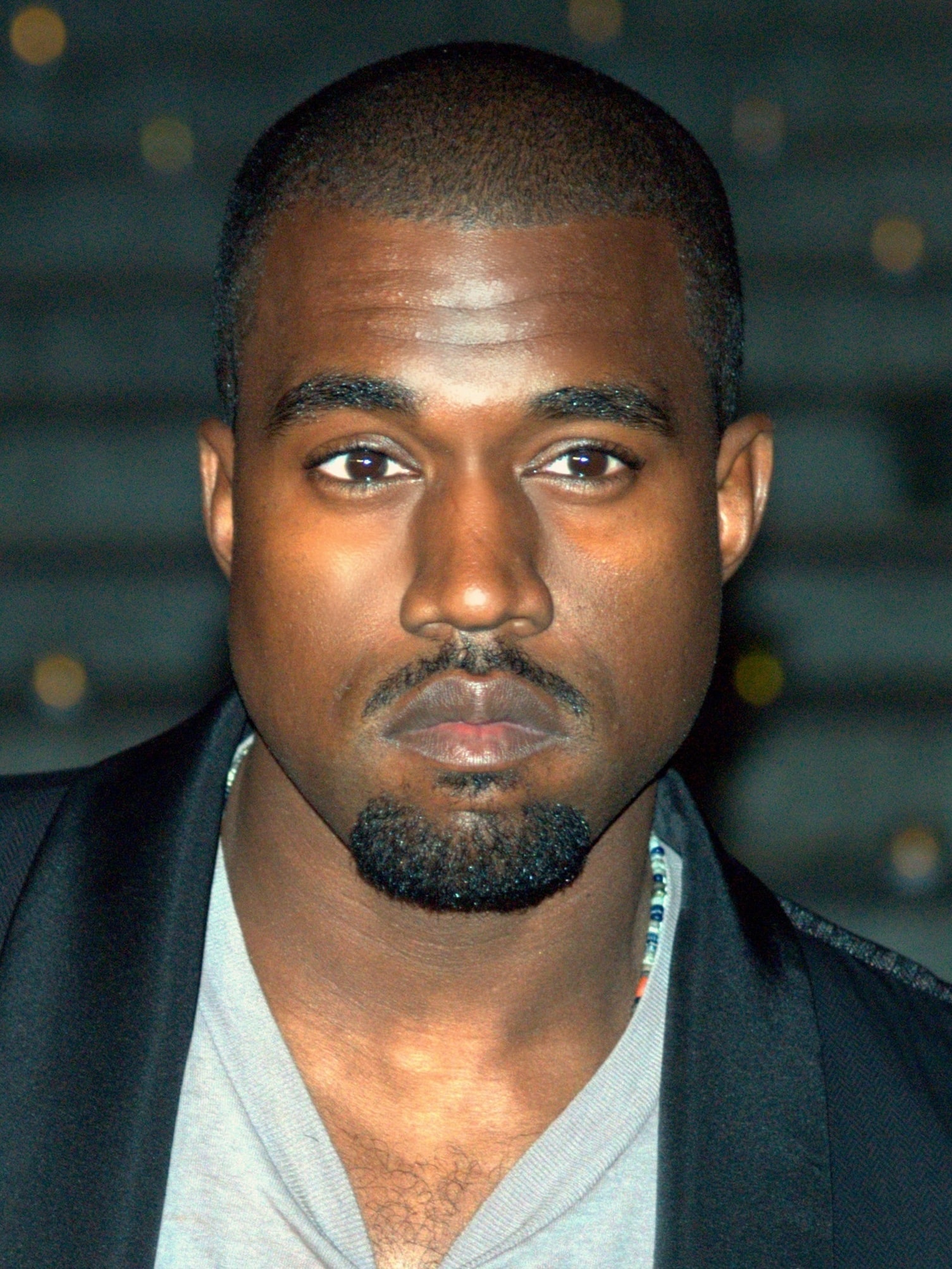
In October 2022, Kanye West posted a series of antisemitic statements on social media, including the now-infamous “death con 3 on JEWISH PEOPLE” tweet. The posts went viral within hours.
Brands didn’t wait. Within days:
- Adidas – Dropped Yeezy (worth $1.5 billion/year)
- Balenciaga – Cut all ties
- Gap – Pulled remaining Yeezy Gap products
- CAA – Dropped him as a client
- Vogue / Anna Wintour – Publicly distanced
The financial damage was immediate and severe. See how other celebrities fared in our Richest Hollywood Actors 2026 breakdown.
👟 The Adidas/Yeezy Split: A $1.5 Billion Divorce
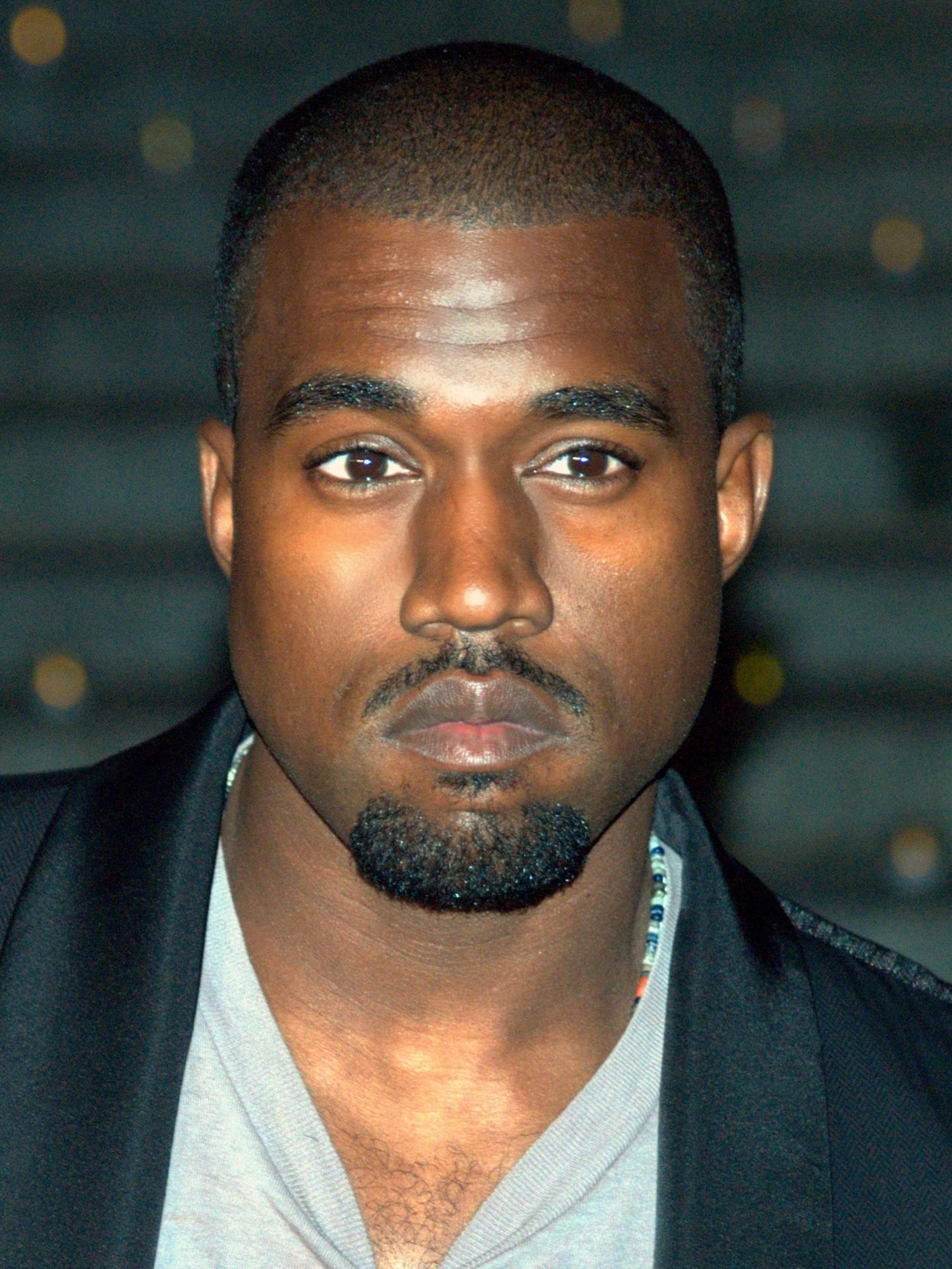
The Adidas/Yeezy deal was the crown jewel of Kanye West‘s empire. Launched in 2015, it generated $1.5 billion in annual revenue for Adidas and paid West a reported $220 million/year in royalties.
When Adidas terminated the deal on October 25, 2022:
- $1.5 billion in annual brand revenue — gone
- Yeezy inventory valued at $500 million — stranded
- Kanye West‘s net worth dropped $1.4 billion overnight
- Adidas stock fell 25% in the weeks following
Adidas later sold remaining Yeezy inventory and donated proceeds to anti-hate organizations. Compare this brand fallout to Cruise vs Pitt Net Worth to see how different celebrity income streams hold up.
📺 The InfoWars Appearance
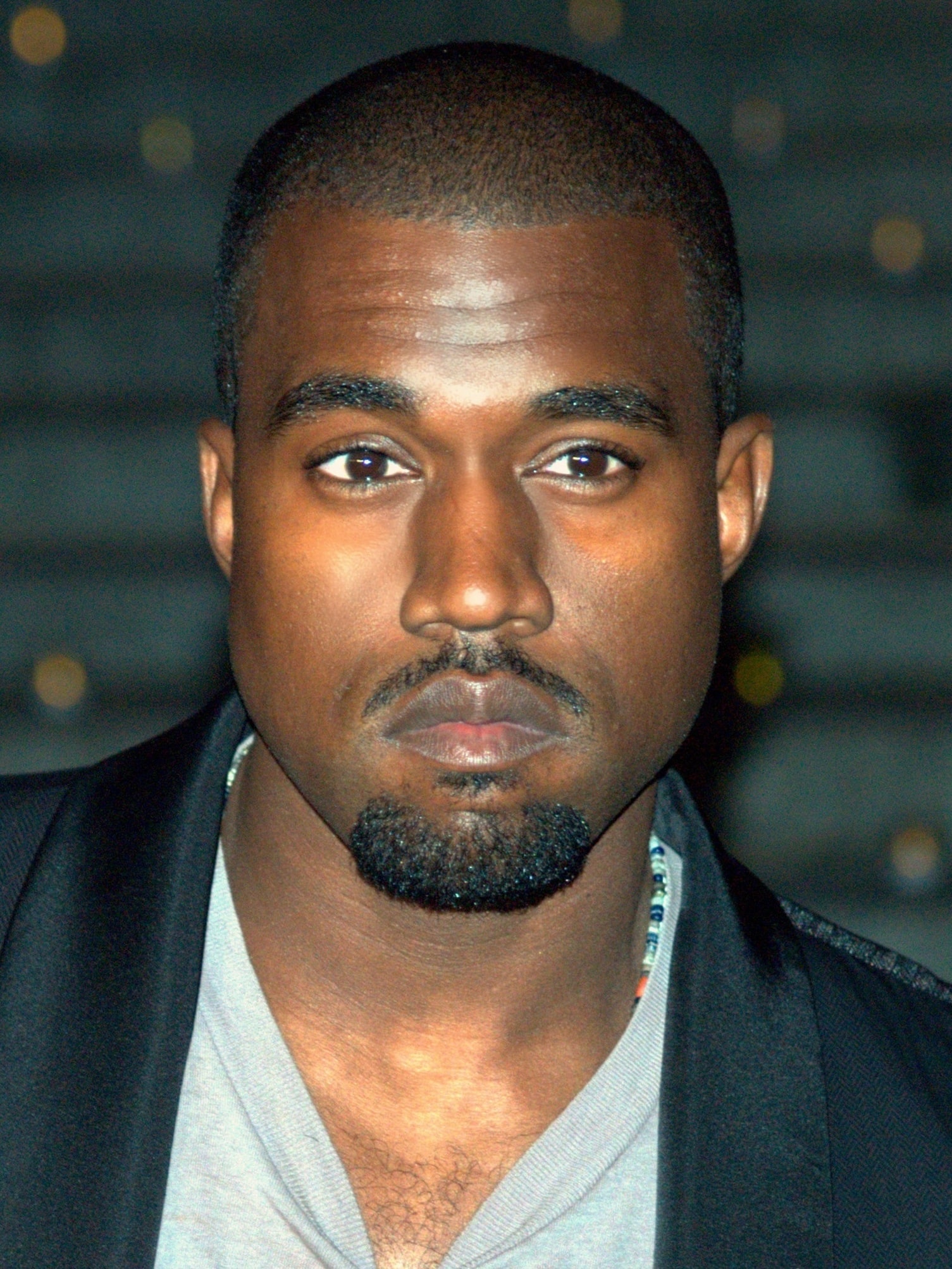
Kanye West appeared on InfoWars with Alex Jones, where he made additional inflammatory statements praising Hitler and doubling down on antisemitic conspiracy theories. The interview was viewed millions of times.
Key fallout from the InfoWars appearance:
- Widespread condemnation from ADL, SPLC, and political leaders
- Remaining business partners distanced themselves further
- Social media bans extended across platforms
- Parliament in Australia denied him a visa
The appearance cemented West‘s transition from controversial artist to industry exile. For how other stars manage public image and wealth, see Aniston vs Cox Net Worth.
📉 From Billionaire to $400 Million: The Financial Collapse
Forbes officially removed Kanye West from the billionaire list in November 2022. The math was brutal:
- 2021 Peak: $1.8 billion (driven by Yeezy valuation)
- Post-Adidas: $400 million (music catalog, real estate, cash)
- Total Loss: $1.4 billion
- Percentage Drop: ~78%
What West still owns:
- Music catalog (valued at ~$110 million)
- Real estate portfolio (~$160 million)
- Cash and liquid assets (~$120 million)
- Skims equity (under review — estimated $10 million)
Compare his remaining wealth with Leonardo DiCaprio’s Net Worth to see where West now ranks among Hollywood’s elite.
The Yeezy Brand: From Cultural Phenomenon to Stranded Asset
The Yeezy brand’s rise and fall represents one of the most dramatic brand-value destructions in modern business history. Launched as a collaboration between Nike and Kanye West in 2009 (the Air Yeezy), the brand moved to Adidas in 2015 after West expressed frustration with Nike’s royalty structure. Under Adidas, Yeezy became a cultural force that transcended footwear: the Yeezy Boost 350 became the most counterfeited shoe in the world by 2019, and Yeezy apparel expanded into clothing, accessories, and a planned home goods line. At its peak in 2021, the Yeezy brand generated $1.7 billion in annual revenue for Adidas, accounting for approximately 8% of the company’s total revenue and an estimated 40% of its profit growth.
The financial structure of the Yeezy deal was unusual for a celebrity brand partnership. West received a reported 15% royalty on all Yeezy sales — approximately $220 million annually at peak revenue — plus equity participation that gave him an ownership stake in the brand’s intellectual property. This structure meant that West’s income from Yeezy was directly proportional to sales volume, creating a powerful financial incentive for him to promote the brand. It also meant that when the deal ended, West lost not just the royalty income but the equity value of the Yeezy IP — an asset that Forbes had valued at approximately $1.2 billion at peak.
Adidas’s decision to sell remaining Yeezy inventory rather than destroy it generated approximately $500 million in revenue, which the company donated to anti-hate organizations including the Anti-Defamation League and the Philonise & Keeta Floyd Institute for Social Change. This decision was both a moral statement and a financial calculation: destroying $500 million in inventory would have required an equivalent write-off on Adidas’s balance sheet, while selling it and donating the proceeds allowed the company to recognize the revenue while avoiding any association with West. The donated proceeds represented approximately 10% of West’s total estimated wealth loss from the Adidas split.
The Kim Kardashian Divorce and Its Financial Impact
Kanye West’s divorce from Kim Kardashian, finalized in November 2022, had financial implications that compounded the damage from the Adidas split. The divorce settlement, which was reached just weeks before the antisemitic remarks that destroyed the Yeezy deal, required West to pay Kardashian $200,000 per month in child support and transfer their Hidden Hills estate (valued at approximately $60 million) to her. The total value of assets transferred to Kardashian as part of the settlement was estimated at $75–100 million, representing approximately 5–6% of West’s peak net worth.
The timing of the divorce relative to the brand collapse was financially consequential. Had the divorce been finalized while West was still a billionaire, the asset division would have been based on higher valuations for the Yeezy brand and other West holdings. The fact that the divorce and the brand collapse occurred within weeks of each other meant that West experienced two massive wealth-reduction events simultaneously — a financial double blow from which he has not recovered. The child support obligation of $200,000 per month ($2.4 million annually) also represents a continuing financial drain that reduces his ability to invest in new business ventures or accumulate wealth through capital appreciation.
Music Catalog Valuation and Royalty Income
West’s music catalog, valued at approximately $110 million, remains his largest single asset after real estate. The catalog includes 21 Grammy Awards (the most of any hip-hop artist), 140+ million records sold worldwide, and a production discography that includes some of the most commercially successful albums of the 21st century. Annual royalty income from the catalog is estimated at $8–12 million, derived from streaming royalties, synchronization licenses, mechanical royalties, and performance royalties.
The catalog’s value has been the subject of industry debate. In September 2022, just weeks before the antisemitic remarks, Billboard reported that West had been shopping his publishing catalog for an asking price of approximately $175 million — a valuation that potential buyers reportedly considered too high given West’s unpredictable public behavior and the risk that his controversies could reduce the catalog’s commercial value. After the October 2022 remarks, the catalog’s market value dropped to an estimated $100–120 million, as buyers factored in the risk that radio stations and streaming playlists might reduce airplay of West’s music in response to his public statements. As of 2026, there is no indication that West has found a buyer at any price, suggesting that the catalog may be more valuable as a source of ongoing royalty income than as a saleable asset.
The Real Estate Portfolio: What Remains
West’s real estate holdings, valued at approximately $160 million, represent the most stable component of his remaining net worth. The portfolio includes properties in Los Angeles, Wyoming, and Chicago, with the most valuable individual asset being a 4,000-acre ranch in Cody, Wyoming that West purchased for approximately $16 million in 2019 and has since invested an estimated $10–15 million in improvements. The Wyoming property has been listed for sale at various points since 2022 but has not found a buyer, reflecting the limited market for luxury ranch properties in rural Wyoming and the potential stigma associated with West’s ownership.
The Los Angeles real estate holdings include a Malibu beach house purchased for $57 million in 2021 that West has reportedly left in a state of partial renovation, with construction halted after the brand collapse reduced his available cash flow. Industry sources estimate that completing the renovation would require an additional $10–15 million investment, and the property in its current condition would likely sell at a significant discount to the purchase price. The real estate portfolio, while substantial in aggregate value, is illiquid and would require time and investment to convert to cash — a constraint that limits West’s financial flexibility at a time when his other income sources have been dramatically reduced.
📊 Kanye West Net Worth Timeline
| Year | Net Worth | Key Event |
|---|---|---|
| 2015 | $110 million | Yeezy x Adidas launches |
| 2019 | $240 million | Yeezy revenue surges |
| 2020 | $1.3 billion | Forbes acknowledges Yeezy value |
| 2021 | $1.8 billion | Peak valuation |
| 2022 (Oct) | $400 million | Antisemitic remarks, Adidas split |
| 2023 | $400 million | No major brand recovery |
| 2024 | $400 million | InfoWars appearance, continued exile |
| 2026 | $400 million | Stable but unrecovered |
🎓 Analyst’s Take
Kanye West remains one of the most influential producers and artists in hip-hop history. But his brand value is effectively zero in the corporate partnership space.
The $400 million he retains is no small sum — it puts him ahead of most recording artists globally. However, the lost $1.4 billion in brand equity is unlikely to return. No major fashion house or sportswear brand will risk a partnership given the reputational damage.
The path back requires:
- A sustained period without controversy (minimum 3–5 years)
- Genuine, verifiable reconciliation efforts with affected communities
- A new business model not dependent on corporate partnerships
Without those steps, West‘s net worth will likely remain flat. The $400 million he retains — music royalties, real estate, and cash — provides financial security that exceeds 99.9% of the global population, but it represents a fraction of the wealth he had accumulated through the Yeezy brand. The lesson of the Kanye West financial collapse is that brand-dependent wealth is inherently fragile: when the brand is destroyed, the wealth evaporates, regardless of the talent or accomplishments that built it. For broader context, see our Richest Hollywood Actors 2026 rankings.
❓ Frequently Asked Questions
What did Kanye West say that caused the controversy?
In October 2022, Kanye West posted antisemitic statements on social media, including a tweet referencing “death con 3 on JEWISH PEOPLE.” He also made antisemitic comments during interviews and appeared on InfoWars praising Hitler.
What is Kanye West‘s net worth in 2026?
Kanye West‘s estimated net worth in 2026 is approximately $400 million, down from a peak of $1.8 billion in 2021.
Why did Adidas drop Kanye West?
Adidas terminated its partnership with Kanye West in October 2022 following his antisemitic remarks, ending the Yeezy brand deal worth $1.5 billion in annual revenue.
Is Kanye West still a billionaire?
No. Forbes removed Kanye West from the billionaire list in November 2022 after the Adidas split. His current net worth is estimated at $400 million.
Can Kanye West recover his lost net worth?
A full recovery to billionaire status is unlikely without major corporate partnerships. No major brand has signaled willingness to partner with West as of 2026.
Related Articles
Disclaimer
All net worth figures and financial estimates are based on publicly available information, industry reports, and financial filings as of 2026. Actual figures may vary. This article should not be relied upon for financial or legal decision-making. The views expressed in the Analyst’s Take section represent editorial analysis and should not be interpreted as investment advice. CelebTrendNow recommends independent verification of any specific claims.
Cultural Impact and Industry Precedent
The Kanye West brand collapse has become a reference case for how quickly celebrity-dependent brand value can evaporate. Business schools including Harvard, Wharton, and Stanford have incorporated the Adidas-Yeezy split into their marketing and crisis management curricula, using it as a case study in the risks of building brand equity around a single individual’s public persona. The key lesson, as articulated by brand strategy consultants, is that celebrity-dependent brands carry an inherent volatility that traditional brands do not: when the celebrity’s reputation is damaged, the brand’s value is damaged proportionally, because the brand’s identity is inseparable from the individual.
The industry response to the West collapse has been measurable. Since 2023, corporate partnership agreements with celebrities have increasingly included “morality clauses” that allow brands to terminate partnerships without financial penalty if the celebrity engages in behavior that damages the brand’s reputation. These clauses, which were present in the Adidas-Yeezy agreement and enabled the clean termination of the deal, have since become standard in celebrity endorsement contracts valued at $10 million or more. Industry attorneys report that the West case has made brands more cautious about entering long-term, high-value partnerships with individual celebrities, with some companies shifting toward shorter-term agreements that limit their exposure to reputational risk.
The broader cultural impact extends beyond business practices. The West collapse has contributed to a public conversation about the relationship between artistic talent and moral accountability — a conversation that has affected other public figures facing controversy, including the ongoing legal proceedings against Sean “Diddy” Combs and the reputational challenges faced by various entertainment industry figures. The West case established a precedent for the speed and decisiveness with which corporate partners will cut ties when controversy reaches a critical threshold, a precedent that has since been tested and confirmed by multiple subsequent incidents across the entertainment industry.